Why does one Fort Lauderdale condo sell for a premium while another lingers? If you are weighing views, amenities, HOA fees, and insurance, it can feel like a moving target. You deserve clear guidance that helps you compare buildings and time your purchase with confidence. This guide breaks down what truly drives condo prices in Fort Lauderdale so you can make a smart, lifestyle-forward decision. Let’s dive in.
Big market forces in Fort Lauderdale
Fort Lauderdale condo values start with supply and demand. When new, high-end buildings deliver, they can pull attention away from nearby resales or temper price growth until inventory is absorbed. Absorption also depends on the mix of investors and owner-occupants. Buildings with heavy investor participation can see more volatility, while owner-occupied towers often trade steadier.
Interest rates shape affordability. Rising mortgage rates lower purchasing power and can slow the pace of sales, which may pressure prices. At the same time, cash buyers are common in South Florida and can support pricing even when financing costs climb.
Migration keeps demand resilient. Florida’s tax advantages and warm climate draw buyers from the Northeast and Midwest. Retirees and second-home seekers often compete for beachfront and luxury product, while younger professionals fuel demand downtown and in Flagler Village.
Seasonality matters. The winter season from roughly November to April brings more visitors and buyers. That uptick can lift listing activity and transaction volume. If a building allows short-term rentals, peak vacation demand can also shape investor valuations.
Macro costs play a growing role. Rising property and association insurance premiums, construction costs, and evolving safety regulations increase operating expenses. Those costs may be reflected in HOA fees or special assessments, which directly affect buyer demand and pricing.
Building and unit features that move price
Views and orientation
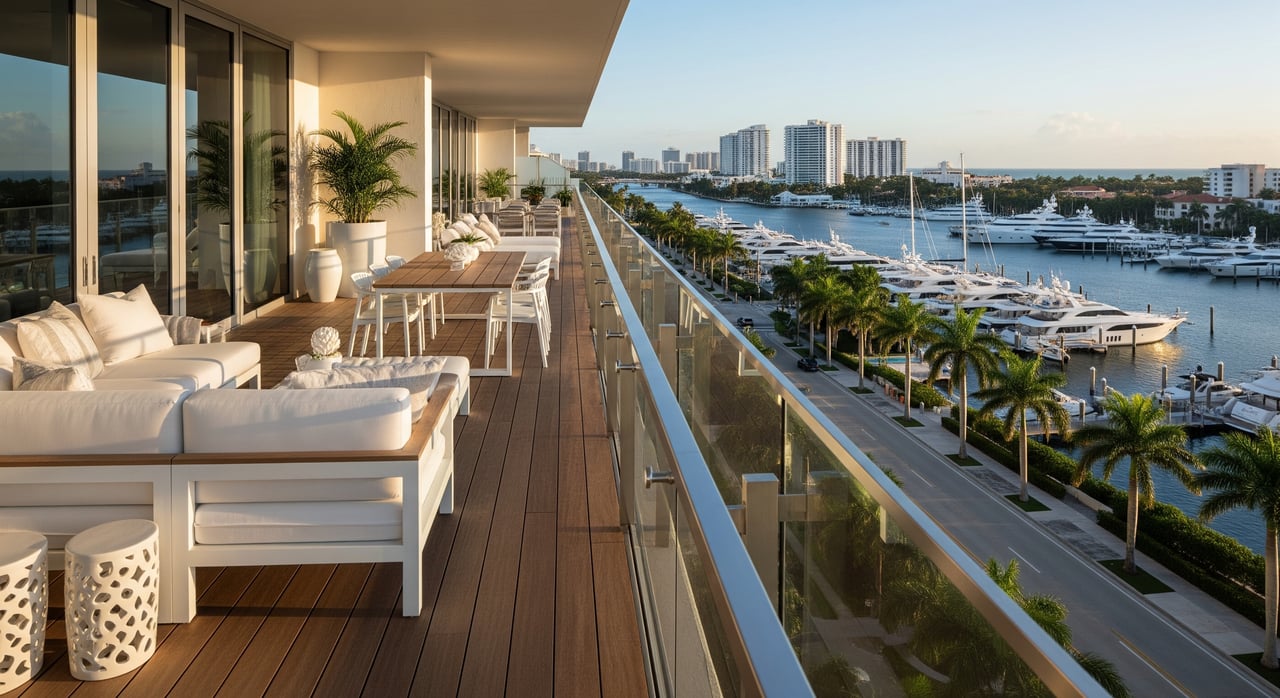
Water views carry real premiums. Oceanfront and unobstructed ocean views typically command the highest prices per square foot, with wide Intracoastal views close behind. Canal views still appeal to boaters but usually price below ocean and wide-water vistas.
Higher floors tend to sell for more, thanks to better views and less street noise. Exposure shapes light and ambiance. East-facing units often draw sunrise light and ocean horizons, while west-facing units capture bay and city sunsets. Preference is personal, but the market rewards clarity and quality of view.
Marina and boat access
Deeded boat slips and on-site marinas add measurable value if you own a boat. The size and depth of a slip, plus ease of access to the Intracoastal and Atlantic, all influence price. Buildings with immediate canal or marina access tend to price differently than those that require off-site rentals.
Amenities and services
Amenity-rich buildings attract buyers willing to pay for convenience and lifestyle. Valet or garage parking, 24-hour security, concierge service, modern fitness centers, pools, club rooms, private beach access, and on-site dining all contribute to price. Quality and maintenance matter as much as the list. Professionally managed amenities support long-term value.
HOA fees and what they include
Monthly HOA fees are a major part of your carrying cost. Higher dues may be justified when they include building insurance, water, cable or internet, and full-time staff. Still, fees that sit out of line with similar buildings can reduce buyer demand. Look closely at the fee breakdown. A healthy reserve line is a positive signal because it lowers the risk of special assessments.
Age, construction, and renovations
Newer buildings usually command a premium for modern floor plans, higher ceilings, wider balconies, and hurricane-rated glass. Older buildings may offer larger unit sizes and lower entry prices, but they can carry deferred-maintenance risk. Recent major upgrades to roofs, facades, elevators, and mechanical systems generally support higher resale values and easier financing.
Layouts, finishes, and size
Open layouts, large terraces, and updated kitchens and baths lift price per square foot. Deeded storage rooms and garage spaces also add value in dense, amenity-driven buildings. Larger floor plans command higher total prices. Three-bedroom and larger units usually appeal to a buyer pool willing to pay for space and flexibility.
Parking and storage
Deeded covered parking and multiple spaces are premiums. Private storage units are highly valued, especially in high-rise buildings. If a building relies on valet-only service or has limited parking, units without guaranteed spaces can trade at a discount.
Governance and management
Strong governance is an intangible that buyers feel. Transparent, professional management and responsive boards support stable pricing. Ongoing litigation, poor financial controls, or frequent assessments tend to depress values and limit financing options.
Financial, regulatory, and insurance realities
Reserves and financial health
Well-funded reserves reduce the chance of future special assessments. Lenders pay attention to reserve studies and minimum funding levels. Weak reserves can restrict financing availability, which shrinks the buyer pool and affects price.
Special assessments and litigation
Known or pending assessments and building litigation are red flags for near-term costs. Many buyers review 12 to 24 months of board minutes and financials to understand risks. Assessments and legal disputes introduce uncertainty that tends to lower marketability and price.
Insurance: master policy, HO-6, flood
Insurance is central to condo economics in coastal Florida. Associations carry a master policy for common areas and structure. You will typically carry an HO-6 policy for interior finishes and personal property. Wind coverage details and deductibles vary by building. If the property sits in a FEMA flood zone, flood insurance may be required. Rising premiums are a reality and can lead to increased dues or assessments, which impact pricing.
Inspections and recertification
After the 2021 Surfside tragedy, Florida increased emphasis on structural inspections and recertifications, especially for older buildings. Requirements and timelines vary locally. If a building needs concrete repair, waterproofing, or structural work, large assessments are possible and resale demand may soften until the work is complete.
Financing and lender requirements
Lender eligibility depends on factors like owner-occupancy ratios, the percentage of owners in arrears on dues, the presence of commercial space, and pending litigation. Some loan programs have strict condo project approvals. Limited financing access narrows demand and can influence price.
Short-term rentals and rules
Short-term rental rules can significantly change the buyer profile. Buildings that allow STRs often attract investors and may show higher potential gross rents, but they can also face more wear and HOA friction. Rental caps and limits can support stability favored by owner-occupants. City-level registration or licensing rules may also apply.
Fort Lauderdale micro-markets at a glance
Beachfront (Fort Lauderdale Beach)
- Direct oceanfront lifestyle and resort-style amenities. High tourism and STR interest. Insurance and association fees can be higher. Premiums for unobstructed ocean views and beach access.
Intracoastal, Las Olas Isles, Rio Vista, Victoria Park
- Canal and waterfront living with private docks and marina access. Strong appeal for boat owners and luxury buyers. Close to dining on Las Olas Boulevard.
Downtown and Flagler Village
- Urban condos with walkability, newer developments, and an art and tech scene. Amenity-forward towers with pools, gyms, and rooftops. Pricing varies by finishes, view, and building brand.
Coral Ridge and Coral Ridge Isles
- Larger condos and townhomes, some with water access. Proximity to shopping and parks. Variety of building ages and styles.
Harbor Beach and Port Everglades corridor
- Limited condo inventory and high privacy. Proximity to marinas. Often higher price points aligned with ultra-luxury expectations.
Wilton Manors and Oakland Park
- Smaller condo options and neighborhood feel. Often more attainable entry prices compared with beach and downtown locations.
Lauderdale-by-the-Sea and nearby beaches
- Low-rise, small-town beach communities. Tourist orientation and STR demand in select buildings.
How to compare two buildings
Use a structured approach so you are comparing apples to apples.
Documents to request
- Last 3 years of association financials and current budget
- Reserve study and reserve balances
- 12–24 months of board meeting minutes
- Declaration, bylaws, house rules, rental and pet policies
- Insurance master policy summary and unit-owner requirements
- Pending litigation disclosures and assessment history
- Planned capital projects, cost estimates, and funding plan
- Occupancy mix data for owner vs tenant percentages
Property and unit specifics to verify
- View corridor and any future obstruction risk
- Deeded parking count and storage ownership
- Boat-slip ownership or rental terms, slip size and depth
- Unit elevation and flood zone designation
- Dates of last major building system upgrades
- Inspection or recertification status and any remediation plans
- HOA fee inclusions and a clear cost breakdown
Financing, insurance, and tax checks
- Confirm lender project eligibility early
- Obtain HO-6 and flood insurance quotes
- Review property tax history with the county appraiser
Neighborhood and lifestyle checks
- Commute times, walkability, and access to groceries and medical care
- Noise and traffic patterns, especially in beach and downtown areas
- Building and city rules for rentals
Advisors to engage
- Experienced local condo agent
- Condominium attorney for document review
- Structural engineer for older buildings or if repairs are likely
- Insurance broker experienced with Florida coastal policies
- Title company to check for liens or encumbrances
Timing your purchase
Seasonality can shape your strategy. The winter season brings more listings and more buyers. If you value choice, shopping in-season can help. If you want less competition, consider off-season, when some sellers are more flexible.
Monitor the new-construction pipeline. When a new luxury building launches, it can shift demand patterns and create opportunities in nearby resales. On the flip side, limited new supply in your target micro-market may support firmer pricing for well-located existing buildings.
Track interest rates and HOA trends. If rates ease, more financed buyers enter the market, which can lift values. If association insurance premiums or assessments rise, that can weigh on buyer demand and affect negotiability.
Putting it all together
When you weigh a condo in Fort Lauderdale, think in layers. Start with the micro-market and view. Add marina access, amenities, and building condition. Then analyze the HOA’s financial health, insurance framework, and rules. Finally, layer in timing and lending realities. This approach helps you compare buildings fairly and choose a home that matches your lifestyle and budget.
If you want help narrowing the field, aligning your wish list with the right tower, and understanding true total cost of ownership, we are here to guide you.
Ready to evaluate your options? Connect with Elke Hammer and Domingos Carlos to schedule your private consultation and get a tailored plan for your Fort Lauderdale condo search.
FAQs
Fort Lauderdale condo views pricing premium
- Ocean and wide Intracoastal views generally command the highest per-square-foot prices, with the premium varying by building, floor height, and view obstruction risk.
Are higher HOA fees always a red flag?
- Not always. Higher dues can be acceptable when they include robust services and healthy reserves. Compare fees to similar buildings and confirm reserve funding.
How important are insurance costs for condos?
- Very. Review the association’s master policy, get HO-6 and flood quotes, and understand wind deductibles. Rising premiums can impact dues and resale demand.
New building or older building in Fort Lauderdale?
- Newer towers offer modern layouts and fewer near-term repairs but carry premiums. Older buildings may offer larger footprints and lower prices but require deeper due diligence.
Do short-term rental rules affect condo values?
- Yes. Buildings that allow STRs can attract investors and higher potential gross rents, while stricter rental policies often appeal to owner-occupants and support stability.
What should I review before making an offer on a condo?
- Request financials, reserve study, meeting minutes, insurance summaries, rules, and disclosures. Verify view, parking, storage, and renovation history, then confirm financing and insurance eligibility.